
Introduction
In today’s fast-paced digital world, website visitors expect pages to load almost instantly. If your website takes too long to load, potential customers are likely to leave before exploring your products or services. A slow website not only creates a poor user experience but also affects your search engine rankings and overall business performance.
Google has made website speed a key ranking factor because it directly impacts user satisfaction. Whether you own a business website, portfolio, or e-commerce store, improving website speed can increase traffic, generate more leads, and boost online sales.
In this article, you’ll learn why website speed matters, how it affects SEO and conversions, common reasons websites become slow, and practical ways to improve your website’s performance.
What Is Website Speed?
Website speed refers to the amount of time it takes for a webpage to fully load when a visitor opens it. This includes loading images, text, scripts, videos, and other website elements.
A fast-loading website provides visitors with a smooth browsing experience, while a slow website often causes frustration and encourages users to leave before taking any action.
Generally, a website should load within 1 to 3 seconds for the best user experience.
Popular industries thriving in e-commerce include:
Why Website Speed Is Important
Website speed affects almost every aspect of your online business.
Some of the biggest benefits include:
- Better Google rankings
- Higher conversion rates
- Improved user experience
- Lower bounce rate
- Increased customer trust
- More page views
- Better mobile performance
- Higher online sales
A fast website keeps visitors engaged and encourages them to explore more pages, increasing the chances of generating inquiries and sales.
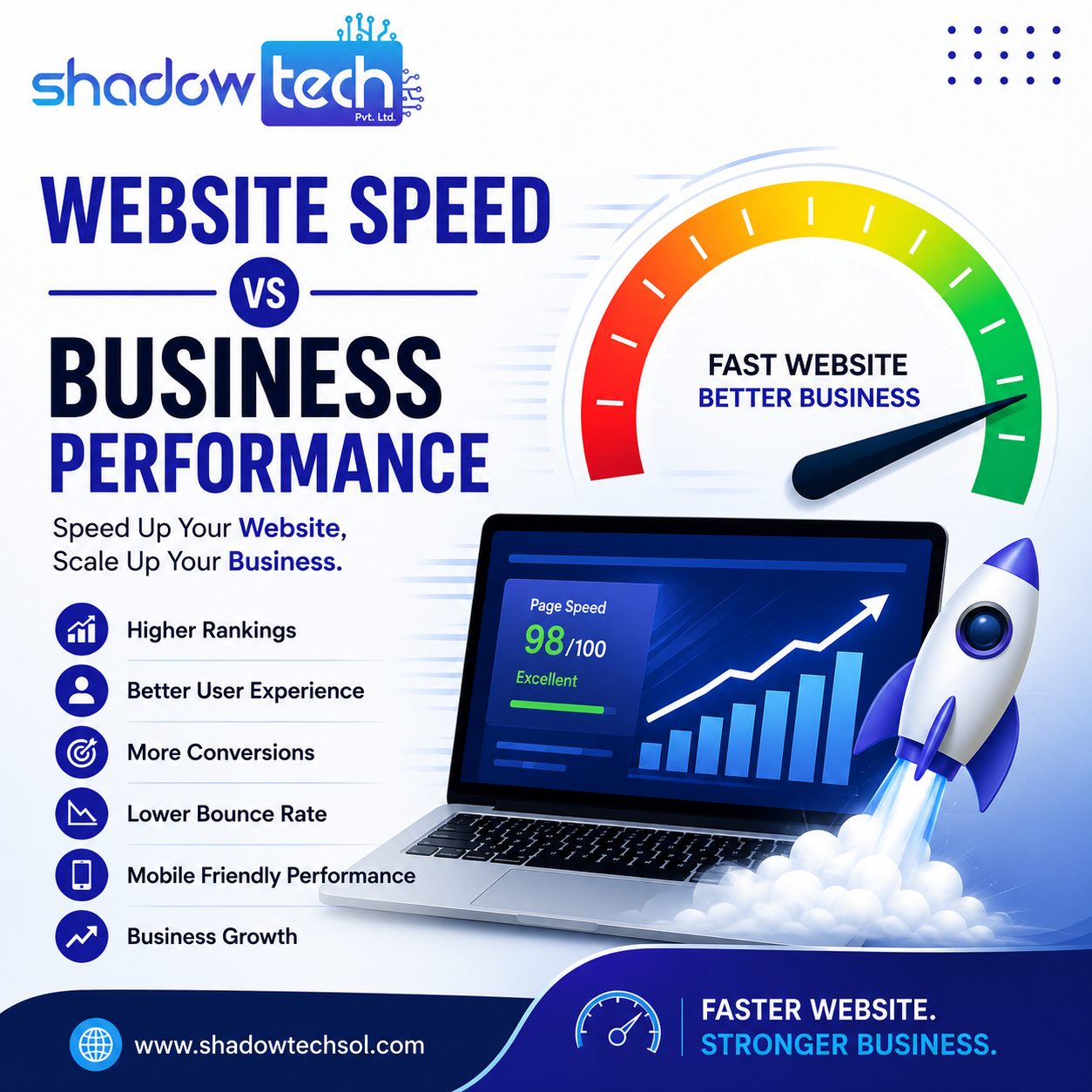
Website Speed vs Business Performance
| Website Speed | Business Performance |
|---|---|
| Fast Loading Time (1–3 Seconds) | Improves customer satisfaction and increases conversions. |
| Better User Experience | Visitors stay longer and interact with more pages. |
| Higher Google Rankings | Generates more organic traffic and business opportunities. |
| Lower Bounce Rate | Reduces lost visitors and improves lead generation. |
| Faster Mobile Performance | Enhances the mobile browsing and shopping experience. |
| Optimized Core Web Vitals | Improves SEO performance and overall website quality. |
| Quick Page Response | Builds customer trust and encourages repeat visits. |
| Reliable Website Performance | Increases online sales, inquiries, and long-term business growth. |
How Website Speed Affects SEO
Google aims to provide users with the best possible experience. That’s why fast websites are more likely to rank higher in search results.
A faster website can help you:
- Improve Google rankings
- Increase organic traffic
- Enhance Core Web Vitals
- Get pages indexed more efficiently
- Improve user engagement
Even if your content is excellent, a slow website can reduce your chances of appearing on the first page of search results.
How Website Speed Impacts Sales
Every second counts when customers are shopping online.
Research shows that visitors quickly leave websites that take too long to load. Slow performance creates frustration and reduces trust in your business.
A fast website helps you:
- Increase conversions
- Generate more inquiries
- Improve checkout completion
- Build customer confidence
- Encourage repeat purchases
For e-commerce businesses, even a one-second improvement in loading speed can have a positive impact on sales.
Common Reasons Websites Become Slow
Several technical issues can affect website performance.
Common causes include:
- Low-quality web hosting
- Large, uncompressed images
- Too many plugins
- Poorly written code
- Heavy animations
- Outdated themes or software
- No caching system
- Missing Content Delivery Network (CDN)
Regular website maintenance helps identify and fix these issues before they affect your visitors.
How to Improve Website Speed
Improving website speed doesn’t always require rebuilding your website. Small optimizations can make a significant difference in performance, user experience, and search engine rankings. Here are some of the most effective ways to speed up your website:
1. Choose High-Performance Hosting
Use reliable hosting with SSD or NVMe storage, fast servers, and high uptime to ensure your website loads quickly for visitors around the world.
2. Optimize Images
Compress and resize images before uploading them to your website. Optimized images reduce page size and improve loading speed without sacrificing visual quality.
3. Enable Browser Caching
Browser caching stores frequently used website files on a visitor’s device, allowing pages to load much faster during future visits.
4. Minify CSS, JavaScript & HTML
Removing unnecessary spaces, comments, and unused code reduces file sizes and improves website performance.
5. Use a Content Delivery Network (CDN)
A CDN distributes your website content across multiple servers worldwide, ensuring visitors receive data from the nearest server for faster loading times.
6. Remove Unnecessary Plugins
Too many plugins can slow down your website. Keep only the plugins you actually need and remove any that are outdated or unused.
7. Keep Your Website Updated
Regularly update your CMS, themes, plugins, and server software to improve speed, security, compatibility, and overall website performance.
Website Speed Best Practices
To maintain excellent website performance:
- Optimize every new image before uploading.
- Monitor website speed regularly.
- Use lightweight themes.
- Enable lazy loading for images and videos.
- Keep your database clean.
- Reduce unnecessary redirects.
- Test website performance after major updates.
These practices help maintain a fast and reliable website over time.
Why Choose ShadowTech Solutions?
Website speed optimization requires the right combination of hosting, development, and technical expertise. At ShadowTech Solutions, we build websites that are fast, secure, mobile-friendly, and optimized for both users and search engines.
Our website performance services include:
- ⚡ Website Speed Optimization
- 💻 Custom Website Development
- 🖥️ High-Speed SSD & NVMe Hosting
- 📊 Core Web Vitals Optimization
- 📱 Mobile Performance Enhancement
- 🖼️ Image & Code Optimization
- 🔍 SEO-Friendly Website Development
- 🛠️ Website Maintenance & Support
Whether you’re launching a new website or improving an existing one, our team focuses on delivering a fast, reliable, and high-performing online experience that helps your business grow.
Final Thoughts
Website speed is no longer just a technical feature—it is a key factor in your business’s online success. A fast-loading website improves SEO, enhances user experience, increases customer trust, and drives more conversions.
If your website is slow, you’re likely losing valuable traffic and potential customers every day. Investing in website speed optimization today can help improve your Google rankings, generate more leads, and increase sales in the long run.
A high-performing website is an investment that continues to deliver value as your business grows.
Frequently Asked Questions (FAQs)
Website speed is a Google ranking factor. Faster websites provide a better user experience, which can improve search rankings and increase organic traffic.
A website should ideally load within 1 to 3 seconds to provide the best experience and maximize conversions.
Yes. Slow websites often experience higher bounce rates, lower customer engagement, and fewer conversions, which can directly impact revenue.
Core Web Vitals are Google’s performance metrics that measure loading speed, interactivity, and visual stability to evaluate the overall user experience.
You can test your website using tools such as Google PageSpeed Insights, GTmetrix, or Pingdom Website Speed Test to identify performance issues.
Common causes include poor hosting, unoptimized images, excessive plugins, outdated software, large scripts, and the absence of caching or a CDN.
ShadowTech Solutions provides website speed optimization, performance audits, SEO-friendly development, Core Web Vitals improvements, high-speed hosting, and ongoing maintenance to ensure your website loads quickly and performs efficiently.
